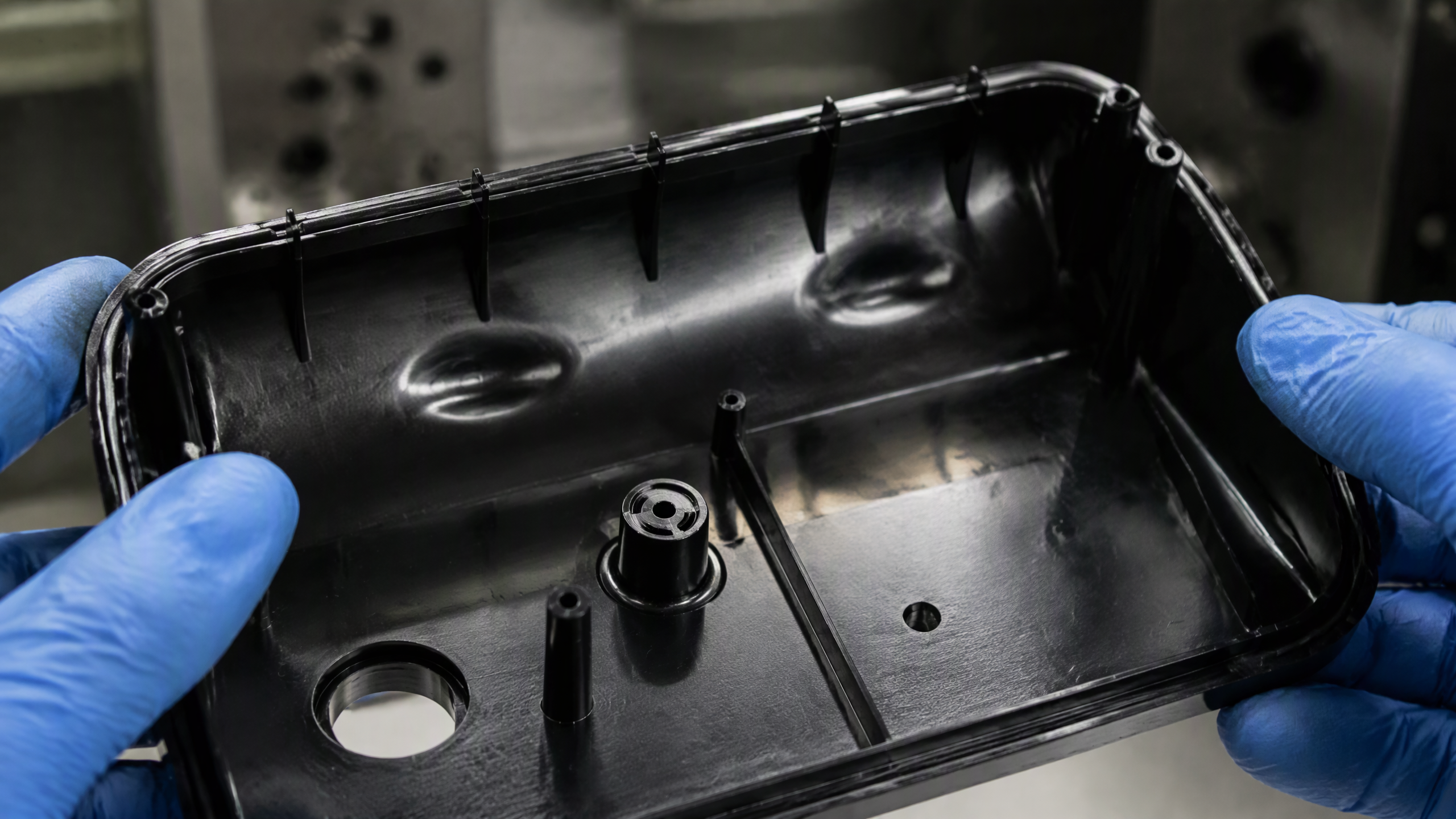
Hot runner injection molding has transformed the way manufacturers approach high-volume plastic part production. By eliminating the cold runner system and keeping the melt channel at a consistently elevated temperature, this technology reduces material waste, shortens cycle times, and improves part consistency. At Shiny Mold, we have deployed hot runner systems across hundreds of mold builds over the past 23 years, from medical micro-parts to large automotive interior components. This guide distills that field experience into a practical engineering resource.

What Is Hot Runner Injection Molding?
Hot runner injection molding is a specialized molding process in which the melt delivery channel—the runner—is maintained at a temperature above the plastic's melting point throughout the entire injection cycle. Unlike a conventional injection molding setup where runners solidify with each shot and must be reground or discarded, a hot runner system keeps the plastic molten inside the manifold and nozzles at all times. This means the only material that solidifies is the part itself.
The concept was first commercialized in the late 1950s and has since become the standard for high-cavitation, high-volume production. According to a 2024 market analysis by Grand View Research, the global hot runner systems market was valued at approximately USD 3.8 billion and is projected to grow at a CAGR of 4.7% through 2030, driven by automotive lightweighting and consumer electronics miniaturization.
Core Components of a Hot Runner System
A typical hot runner assembly consists of several critical components, each engineered to tight thermal and mechanical tolerances:
- Manifold: A precision-machined block with internal melt channels that distribute molten plastic from the machine nozzle to each drop. The manifold is heated by cartridge heaters or coil heaters and insulated from the mold base by titanium alloy spacers to minimize heat transfer.
- Hot Runner Nozzles (Drops): These are the terminal points where melt exits the manifold and enters the cavity. Nozzles come in two primary designs: open-gate (for larger parts where a vestige is acceptable) and valve-gate (for parts requiring a clean, vestige-free surface). Valve gate nozzles use a pneumatic or hydraulic pin that opens and closes mechanically, providing precise control over gate timing.
- Temperature Controllers: Each zone of the manifold and each nozzle requires independent closed-loop temperature control. Modern controllers use PID algorithms with thermocouple feedback to maintain temperature within ±1°C. A 16-drop system typically requires 16 to 32 control zones.
- Heating Elements: Cartridge heaters, coil heaters, or tubular heaters provide the thermal energy. Heater watt density must be calculated based on the specific resin's processing temperature and the thermal mass of the steel surrounding each zone.
- Insulation Components: Titanium alloy spacer rings, ceramic insulators, and air gaps prevent conductive heat loss from the manifold (typically 200–300°C) to the mold base (typically 40–60°C).
Advantages of Hot Runner Injection Molding

The decision to invest in a hot runner system over a cold runner configuration depends on production volume, part geometry, and material economics. In our experience at Shiny Mold, the break-even point for a hot runner system typically falls between 100,000 and 500,000 shots, depending on the part's runner weight and the cost of the resin.
Material Savings and Waste Reduction
In a cold runner mold, the runner system can account for 15% to 60% of the total shot weight, depending on part size and cavity count. For a multi-cavity mold producing small parts, the runner-to-part weight ratio can be especially unfavorable. With hot runner injection molding, this runner waste is eliminated entirely.
Consider a practical example: a 16-cavity mold producing 5-gram connector insulators using PEEK resin at roughly USD 90 per kilogram. A cold runner system might add 40 grams of runner per shot. Over a production run of 1 million shots, that equates to 40,000 kilograms of runner waste—or USD 3.6 million in material cost alone. A hot runner system eliminates this waste entirely, recovering its tooling investment within the first quarter of production.
Cycle Time Improvement
Hot runner systems also reduce cycle time by eliminating the need to cool and eject solidified runners. The cooling phase of an injection cycle is typically governed by the thickest section of the part. In cold runner molds, the runner is often thicker than the part itself, extending the overall cooling time. By removing the runner from the equation, hot runner systems allow cooling time to be optimized based solely on the part wall thickness, frequently reducing total cycle time by 10% to 25%.
For a part running at a 20-second cycle in a cold runner mold, a 20% reduction brings the cycle to 16 seconds. Over a 24-hour production run at 80% uptime, this translates to an additional 2,880 parts per day per mold—a capacity increase that directly impacts the unit cost.
Hot Runner vs Cold Runner: Key Differences
The following comparison summarizes the engineering trade-offs between the two systems:
| Parameter | Hot Runner | Cold Runner |
|---|---|---|
| Material Waste | None (runners stay molten) | 15-60% of shot weight |
| Initial Tooling Cost | Higher (USD 8,000-50,000+) | Lower (USD 2,000-10,000) |
| Cycle Time | 10-25% shorter | Baseline |
| Maintenance Complexity | High (heaters, thermocouples, valve pins) | Low |
| Color Change Time | Longer (purge manifold channels) | Faster |
| Part Quality | Superior (consistent melt temperature) | Variable (runner cooling affects cavities) |
| Ideal Application | High-volume, multi-cavity, expensive resin | Low-volume, prototyping, large parts |
Common Hot Runner Defects and Solutions
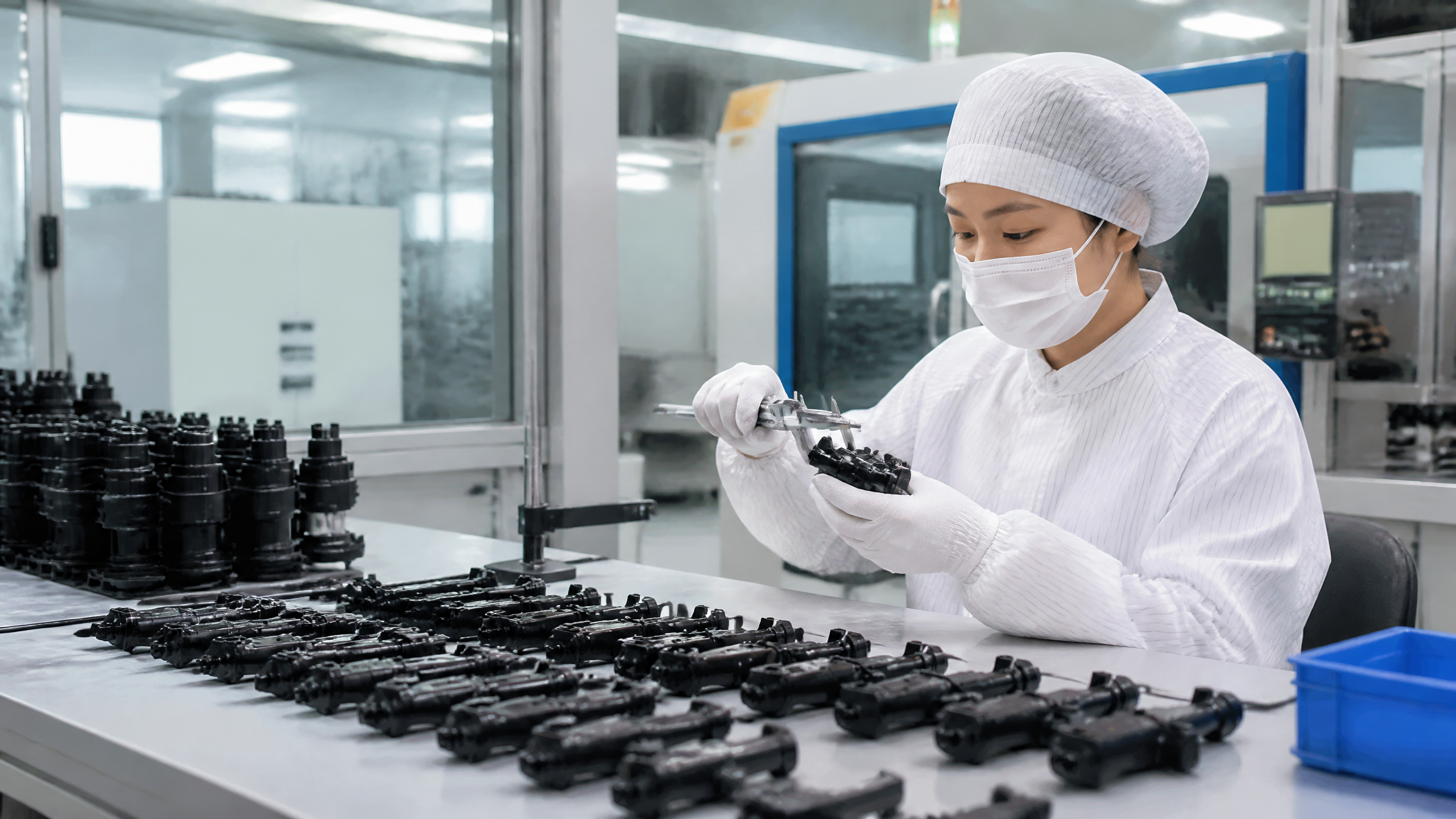
Despite its advantages, hot runner injection molding introduces a distinct set of process challenges. Drawing from our experience troubleshooting over 500 hot runner molds at Shiny Mold's Dongguan facility, the following defects are the most frequently encountered:
1. Gate Vestige and Stringing
When a valve gate pin does not close properly, or when an open-gate nozzle's freeze-off is poorly controlled, a thin strand of plastic (stringing) can pull from the gate as the mold opens. This defect is typically caused by nozzle temperature being too high relative to the material's no-flow temperature, or by insufficient hold pressure decay. The solution involves reducing the nozzle tip temperature by 5-10°C and implementing a gradual pressure ramp-down profile at the end of the hold phase.
2. Thermal Degradation and Black Specks
Stagnant melt in the manifold channels can degrade over time, especially for shear-sensitive or high-temperature resins like PC, PEEK, or LSR. Degraded material manifests as black or brown specks on the part surface. Prevention requires careful manifold flow channel design with no dead spots, regular purging schedules (every 8-12 hours for sensitive materials), and ensuring that the residence time in the manifold does not exceed the resin's maximum allowable dwell time—typically 5 to 10 minutes for most engineering thermoplastics.
3. Uneven Cavity Fill (Imbalance)
In multi-cavity hot runner molds, uneven fill occurs when melt reaches different cavities at different times or temperatures. This is often caused by the naturally balanced layout being geometrically but not rheologically balanced. The melt takes the path of least resistance, and shear heating in the manifold channels changes the viscosity of the melt arriving at each drop. Solutions include using Moldflow simulation to optimize channel geometry, adding flow restrictors in the manifold, or implementing active flow control nozzles with adjustable orifice sizes.
4. Nozzle Freeze-Off
If the nozzle tip temperature drops too low, the melt at the gate can solidify prematurely, blocking flow. This commonly occurs when the thermal isolation between the nozzle and the cold mold base is insufficient, or when the mold cooling channels are positioned too close to the gate area. Remediation involves increasing nozzle tip wattage, improving thermal insulation with titanium spacers, and verifying that the gate insert cooling layout respects a minimum 12mm stand-off distance from the nozzle body.
Applications Across Industries
Hot runner injection molding is widely adopted across sectors where volume, precision, and material cost justify the investment:
- Medical Devices: Catheter hubs, luer fittings, and micro-fluidic chips benefit from valve-gated hot runners that produce vestige-free, flash-free parts meeting ISO 13485 and FDA requirements. Industry case studies show cycle time reductions of up to 30% for medical micro-parts.
- Automotive: Interior trim, door panel clips, and connector housings often run in 8- to 32-cavity hot runner molds. The automotive industry's push for lightweighting with glass-filled nylon and long-glass-fiber reinforced polypropylene has further driven hot runner adoption, as these abrasive materials benefit from the reduced shear of a heated runner system.
- Consumer Electronics: Phone cases, laptop chassis elements, and connector blocks require the surface finish quality that valve-gated hot runners deliver. The elimination of post-mold runner removal also supports automated production cells where robotic extractors handle parts without secondary processing.
- Packaging: Thin-wall containers and closures run at extreme cycle speeds (often under 5 seconds) where hot runner systems are essential for maintaining melt homogeneity across dozens of cavities.
FAQ: Hot Runner Injection Molding
How much does a hot runner system cost?
A hot runner system for a standard 4-cavity mold typically costs between USD 8,000 and USD 15,000, including the manifold, nozzles, heaters, and temperature controller. For a 16- to 32-cavity mold with valve gating, the cost can exceed USD 40,000. This investment is recovered through material savings and cycle time reduction within the first 100,000 to 500,000 shots, depending on part weight and resin price.
What materials are compatible with hot runner molding?
Hot runner systems are compatible with virtually all thermoplastics, including PE, PP, ABS, PC, PA (nylon), POM, PEEK, PPS, LSR, and glass-filled compounds. Shear-sensitive materials like LSR and PVC require specially designed low-shear manifolds. High-temperature engineering resins such as PEEK (processing temperature 370-400°C) demand high-wattage heaters and specialized thermal insulation.
What is the difference between open gate and valve gate?
An open-gate nozzle allows melt to flow continuously into the cavity and relies on thermal freeze-off at the gate to separate the part. A valve-gate nozzle uses a mechanically actuated pin that opens and closes the gate orifice, providing positive shut-off. Valve gating produces a vestige-free surface, allows sequential filling of multiple gates, and is preferred for cosmetic and high-precision applications.
How long does a hot runner mold last?
With proper maintenance, a hot runner mold base can last 5 to 10 million cycles. However, consumable components—heater bands, thermocouples, valve pin seals, and nozzle tips—require periodic replacement, typically every 200,000 to 500,000 cycles depending on the material's abrasiveness and processing temperature.
Can hot runner systems be used for low-volume production?
While technically possible, hot runner systems are generally not cost-effective for low-volume runs (under 50,000 parts). The higher initial tooling investment and maintenance complexity are only justified by high-volume production where material savings and cycle time reduction offset the upfront cost. For low-volume or prototyping needs, cold runner molds or rapid tooling solutions are more economical.
Conclusion
Hot runner injection molding represents one of the most impactful process technologies in modern plastic manufacturing. By maintaining the melt delivery system at processing temperature, it eliminates runner waste, shortens cycle times, and improves part-to-part consistency. For manufacturers producing high volumes of precision components in medical, automotive, or electronics markets, the return on investment is substantial and well-documented.
At Shiny Mold, our engineering team has over 23 years of experience designing, building, and optimizing hot runner systems for clients worldwide. From material selection to manifold layout to valve gate sequencing, we bring deep technical expertise to every mold build. For more industry insights or to discuss your next hot runner project, contact our team at jim.lee@shiny-mold.com.
About the Author: This article was authored by the Shiny Mold Engineering Team, with over 23 years of combined experience in precision mold design, hot runner system integration, and injection molding process optimization. Shiny Mold is ISO 9001 certified and operates a 15,000-square-meter facility in Dongguan, China.