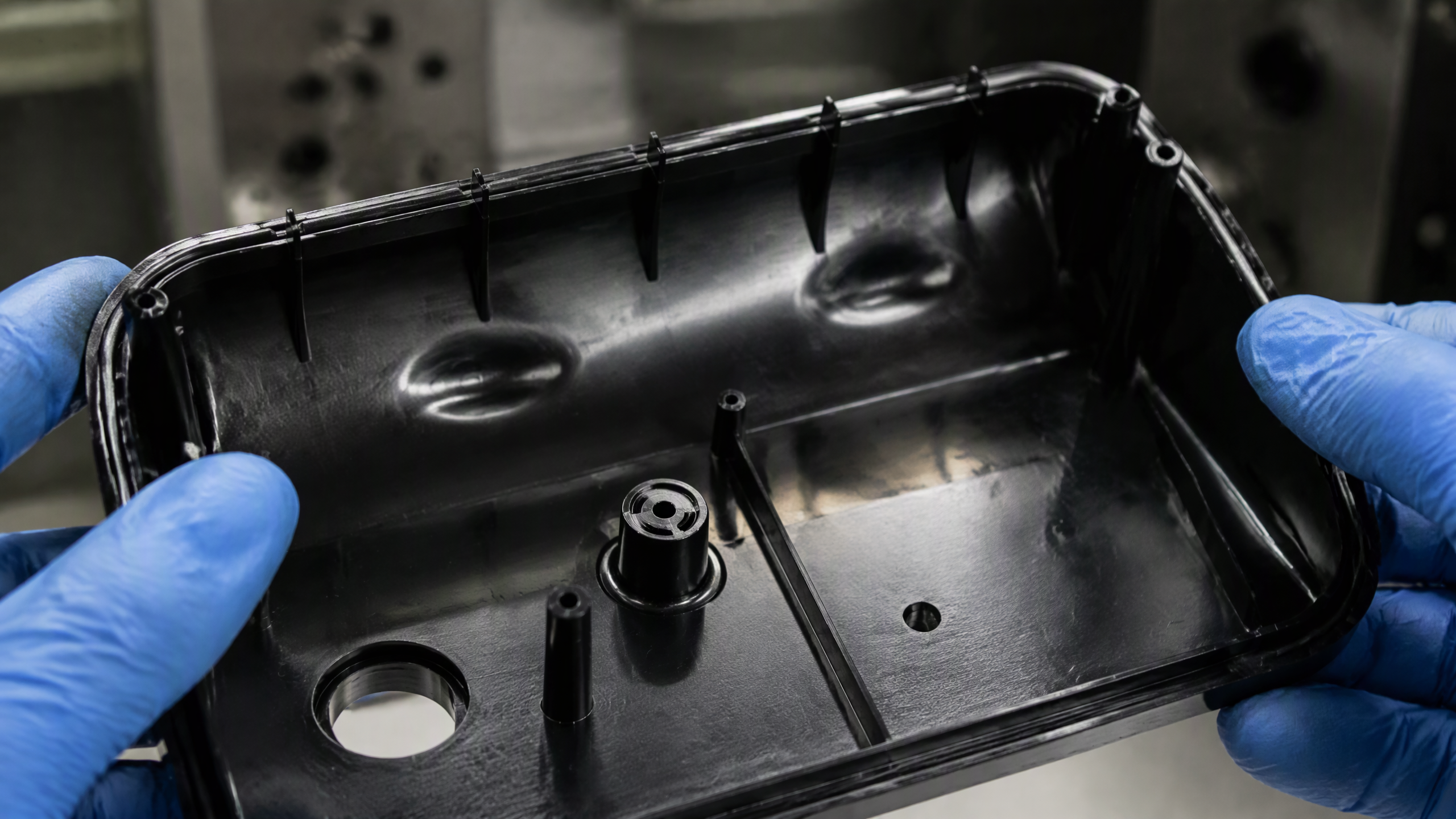
When manufacturers and product teams plan a new plastic component, one question dominates every conversation: "What will the injection molding cost be?" It is the single most important variable that determines whether a project moves from prototype to production or stalls at the concept stage. Yet injection molding cost is not a flat number you can look up in a catalog. It is a composite of tooling investment, material expenses, machine cycle time, labor, secondary operations, and overhead. Understanding how each of these factors interacts gives you the power to make informed decisions, negotiate effectively with suppliers, and bring better products to market at a competitive price point.
At Shiny Mold, our engineering team has spent over a decade manufacturing precision injection molded parts for industries ranging from automotive to medical devices. This guide distills our hands-on factory-floor experience into a transparent breakdown of injection molding cost, covering every variable that influences your final quote and offering practical strategies to optimize your manufacturing budget.

What Determines Injection Molding Cost?
The total cost of an injection molding project breaks down into two fundamental categories: upfront tooling investment and per-unit production costs. Within each category, multiple variables interact to determine your final price. Let us examine each cost driver in detail.
Tooling and Mold Costs
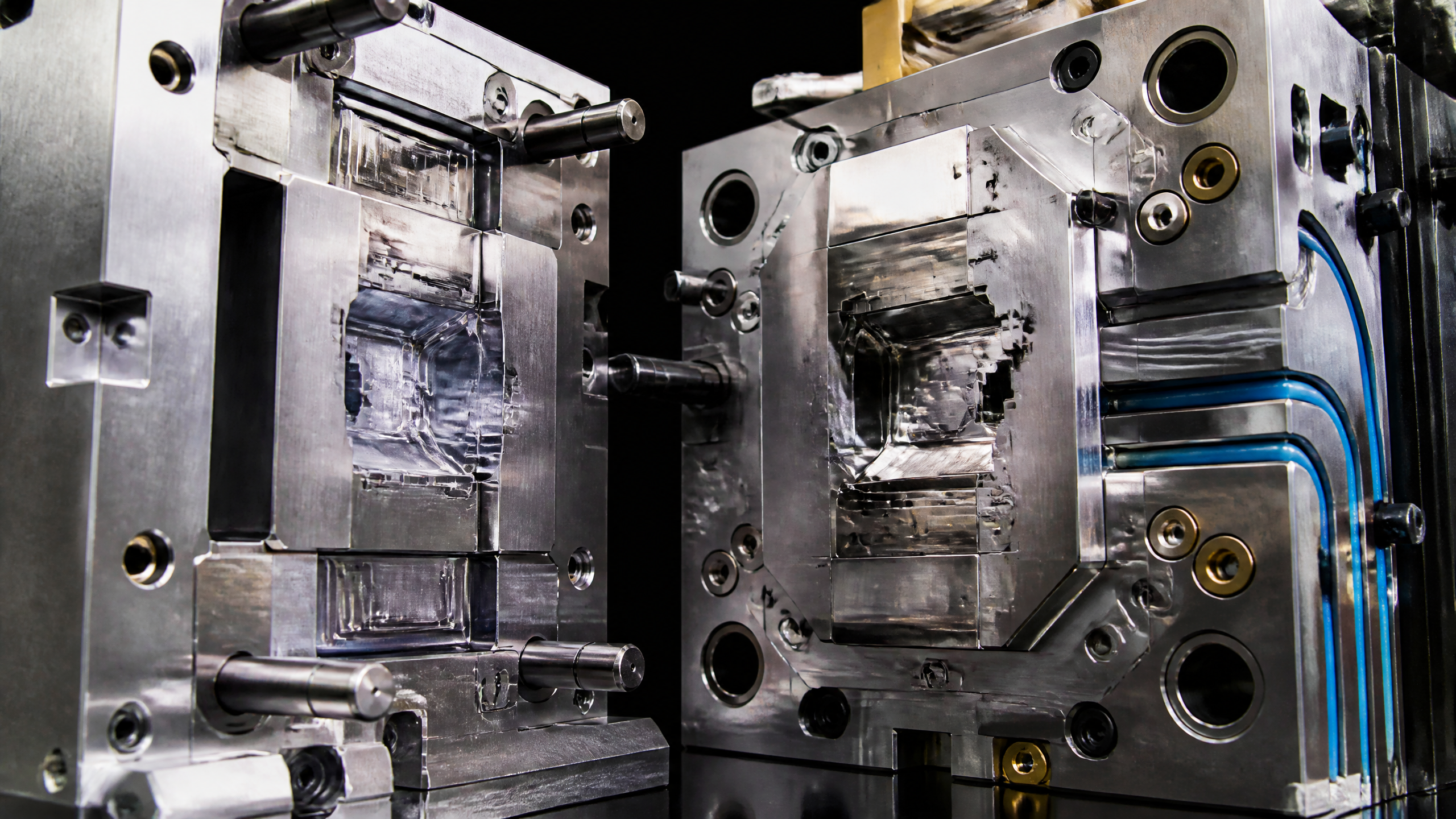
The mold, also called the tool or die, is typically the largest single expense in any injection molding project. Mold costs range from $1,000 for simple prototype aluminum molds to over $100,000 for complex multi-cavity production steel molds. Several factors drive this wide range:
- Mold material: Aluminum molds cost significantly less than hardened tool steel (P20, H13, or S7) but have shorter lifespans. Aluminum suits prototype and low-volume runs under 10,000 parts, while hardened steel is essential for high-volume production exceeding 100,000 parts.
- Cavity count: A single-cavity mold produces one part per cycle. Multi-cavity molds (2, 4, 8, or 16 cavities) increase upfront cost but reduce per-unit cycle time and cost dramatically. A 4-cavity mold can cut per-part cycle cost by up to 75 percent compared to a single-cavity tool.
- Part complexity: Undercuts, internal threads, side actions (slides), lifters, and complex geometries all add machining time and increase mold cost. Each side action can add $2,000 to $8,000 to the mold price.
- Surface finish: Polished, textured, or mirror finishes require additional labor and specialized techniques. SPI A1 mirror finish on a large part can add 15 to 25 percent to the mold cost.
Material Selection and Pricing
The plastic resin you select directly impacts both per-unit cost and mold design requirements. Common injection molding materials span a wide price range:
- Commodity resins (ABS, PP, HDPE): $1.50 to $3.00 per pound
- Engineering resins (PC, Nylon 6/6, POM): $3.00 to $6.00 per pound
- High-performance resins (PEEK, PPS, LCP): $15.00 to $40.00 or more per pound
Material cost is calculated as: (part weight plus runner weight) multiplied by material price per pound, then adjusted for scrap rate. The runner system, the channels that deliver molten plastic from the nozzle to the cavity, adds material waste that must be factored into the cost calculation. Hot runner systems eliminate runner waste but add $3,000 to $15,000 to the mold cost.
Part Design Complexity
Design decisions made early in the development process have an outsized impact on injection molding cost. Wall thickness, draft angles, rib placement, boss design, and tolerance requirements all influence cycle time, mold complexity, and scrap rates. A part with uniform 2mm wall thickness will mold faster and with fewer defects than a part with thick sections that require extended cooling time. Every additional second of cycle time translates to higher machine-hour costs across the entire production run.
Applying Design for Manufacturability (DFM) principles during the design phase can reduce both tooling cost and per-unit production cost by 20 to 40 percent. This is why experienced molders like Shiny Mold offer DFM review as part of the quoting process, identifying cost-saving design modifications before the mold is cut.
Production Volume
Volume is the most powerful cost-reduction lever in injection molding. The tooling investment is amortized across the total number of parts produced, which means the per-unit tooling cost drops dramatically as volume increases:
- At 1,000 parts, a $20,000 mold adds $20.00 per part in tooling cost
- At 10,000 parts, the same mold adds $2.00 per part
- At 100,000 parts, it adds only $0.20 per part
This is why injection molding becomes increasingly cost-effective at higher volumes. The fixed tooling cost is distributed across more units, while per-unit material and cycle time costs remain relatively stable.
Average Injection Molding Cost Ranges
Based on industry data and our manufacturing experience at Shiny Mold, here are typical cost ranges for common production scenarios. These figures reflect standard part geometries in commodity to engineering-grade resins; medical and automotive applications with tight tolerances, cleanroom requirements, or specialized materials will fall at the higher end.
Low-Volume Production (100 to 1,000 Parts)
- Tooling: $1,000 to $10,000 (aluminum or soft steel molds)
- Per-unit cost: $5.00 to $25.00
- Typical total project cost: $2,000 to $30,000
- Best for: prototyping, bridge tooling, market testing
Medium-Volume Production (1,000 to 10,000 Parts)
- Tooling: $10,000 to $40,000 (pre-hardened steel molds)
- Per-unit cost: $1.00 to $8.00
- Typical total project cost: $15,000 to $80,000
- Best for: pilot production, niche products, initial market launch
High-Volume Production (10,000 to 100,000+ Parts)
- Tooling: $30,000 to $100,000 or more (hardened steel, multi-cavity)
- Per-unit cost: $0.20 to $2.00
- Typical total project cost: $40,000 to $200,000 or more
- Best for: full-scale production, consumer products, automotive components
How to Reduce Injection Molding Cost
Reducing injection molding cost without sacrificing quality requires strategic decisions at every stage of the product development cycle. Here are five proven strategies our engineering team applies for clients:
1. Apply Design for Manufacturability Early
DFM principles applied during the design phase can cut both tooling and production costs significantly. Maintain uniform wall thickness (typically 1.5 to 3.0mm) to reduce cooling time. Use draft angles of at least 1 degree per side to ensure clean ejection. Avoid undercuts where possible, and use ribs instead of thick walls for structural reinforcement. Round all corners to reduce stress concentration and tool wear.
2. Right-Size Your Mold for Production Volume
Do not over-engineer your tool. If your total production run is 5,000 parts, an aluminum mold at $5,000 may be the most cost-effective choice. Hardened steel at $25,000 is only justified when the production volume amortizes the additional investment. Our team at Shiny Mold helps clients calculate the break-even point between mold types to ensure optimal tooling investment.
3. Optimize Cavity Count
For medium-to-high volume production, multi-cavity molds reduce effective cycle time per part. A 4-cavity mold producing 4 parts per cycle at 30 seconds yields 480 parts per hour, compared to 120 parts per hour from a single-cavity mold. The additional cavities add upfront cost but deliver substantial savings across a production run of 10,000 or more parts.
4. Select the Most Cost-Effective Material
Avoid over-specifying materials. If ABS meets your mechanical and thermal requirements, do not upgrade to polycarbonate simply for its higher impact resistance unless your application truly demands it. Similarly, if a filled nylon provides the stiffness you need at lower cost than an engineering grade, choose the more economical option. Material selection should be driven by functional requirements, not assumptions.
5. Consider Family Molds and Hot Runners
A family mold produces multiple related parts in a single shot, sharing tooling costs across several components. This approach works well for assemblies where multiple plastic parts are needed in similar quantities. Hot runner systems, while adding upfront cost, eliminate runner waste and reduce cycle time for high-volume production, delivering long-term material savings.
How to Get an Accurate Injection Molding Quote
To receive a precise injection molding quote, prepare the following information for your manufacturer:
- 3D CAD files in STEP or IGES format of your part design
- Annual and total production volume estimates
- Material specification or performance requirements if you need recommendations
- Surface finish requirements (SPI, VDI, or texture specifications)
- Tolerance requirements for general and critical dimensions
- Color requirements (masterbatch or pre-colored resin)
- Regulatory requirements (FDA, ISO 10993, USP Class VI, automotive PPAP)
- Secondary operations needed (assembly, pad printing, ultrasonic welding, packaging)
With this information, a qualified injection molder can provide a detailed cost breakdown separating tooling from per-unit production costs, along with a recommended mold type and material based on your volume and performance needs. At Shiny Mold, our quoting process includes a complimentary DFM review to identify potential cost savings before manufacturing begins.

FAQ: Injection Molding Cost Questions Answered
How much does an injection mold cost?
Injection mold costs range from $1,000 for simple aluminum prototype molds to over $100,000 for complex multi-cavity production steel molds. A typical production mold for a medium-complexity part falls between $12,000 and $40,000, depending on geometry, material, cavity count, and surface finish requirements. Prototype aluminum molds for rapid tooling projects can start as low as $1,000.
How much does injection molding cost per part?
Per-part cost varies widely based on volume, material, and part complexity. For commodity resins at production volumes of 10,000 or more parts, per-unit costs typically range from $0.20 to $5.00. Low-volume runs under 1,000 parts can see per-unit costs of $10.00 to $50.00 or more, as tooling costs are spread across fewer parts.
What is the cheapest type of injection molding?
Aluminum prototype tooling, also called bridge tooling or rapid injection molding, is the cheapest option, with molds starting around $1,000. These molds are suitable for 100 to 10,000 parts depending on material and part complexity. For high-volume cost efficiency, hardened steel multi-cavity molds deliver the lowest per-part cost despite higher upfront investment.
How can I reduce my injection molding cost?
The most effective cost reduction strategies are: (1) apply Design for Manufacturability principles early in development, (2) right-size your mold type to match production volume, (3) select the most cost-effective material that meets performance requirements, (4) optimize cavity count for your volume, and (5) minimize secondary operations through smart part design. Working with an experienced molder who provides DFM review can identify savings of 20 to 40 percent.
Does injection molding cost include shipping?
Injection molding quotes typically separate manufacturing cost from logistics. Shipping, duties, and packaging are quoted separately. When comparing suppliers domestically versus overseas, ensure you compare total landed cost, not just the per-unit manufacturing price. Overseas manufacturing may offer lower per-unit costs but higher logistics expenses and longer lead times.
Conclusion
Understanding injection molding cost requires looking beyond a single price quote to the underlying cost drivers: tooling investment, material selection, cycle time, production volume, and design complexity. By mastering these variables, you can make informed decisions that balance upfront investment against long-term per-unit economics.
At Shiny Mold, our engineering team works closely with clients from initial DFM review through full-scale production, helping optimize every cost variable. Whether you need a rapid tooling prototype for 500 parts or a precision production mold for 500,000 units, our transparent quoting process ensures you understand exactly what you are paying for and why.
Ready to get an accurate injection molding cost estimate for your project? Contact the Shiny Mold Engineering Team today with your 3D CAD files and production requirements, and we will provide a detailed quote within 48 hours.